If you’ve ever peeled an orange and felt a little lift from that bright, zesty scent, you’ve had a firsthand encounter with limonene. The most well-known limonene terpene effects are tied to that exact feeling—mood elevation, stress relief, and even anti-inflammatory benefits. This powerhouse aromatic compound is more than just a pleasant smell; it’s a major reason why certain cannabis strains feel so bright and cheerful.
What Is Limonene and How Does It Work?
You can think of terpenes as the "essential oils" of the cannabis plant. These organic compounds are what give each strain its unique aromatic and flavor profile, from earthy pine notes to sweet berry hints. Limonene is one of the most common terpenes out there, not just in cannabis but in nature as a whole. It’s the driving force behind the sharp, citrusy aroma in many of your favorite strains.
But limonene’s job doesn’t stop at making things smell good. It interacts with our bodies in some pretty fascinating ways, influencing everything from our mood to our cellular health. Unlike cannabinoids like THC that directly plug into our endocannabinoid system, limonene takes a different route. It often works by interacting with the neurotransmitter systems that help regulate our mood and stress levels.
To help you get a quick sense of this important terpene, here's a simple breakdown of its key features.
Limonene at a Glance: Key Characteristics and Effects
| Characteristic | Description |
|---|---|
| Aroma Profile | Sharp, sweet, and tangy citrus notes like lemon, orange, and grapefruit. |
| Common Natural Sources | Rinds of citrus fruits, rosemary, peppermint, and of course, many popular cannabis strains. |
| Primary Reported Effects | Mood elevation, stress reduction, anti-inflammatory, and antioxidant properties. |
This table gives you the basics, but let's dive a little deeper into what makes limonene tick.
The Science Behind the Scent
Scientifically speaking, limonene is a monoterpene. That simple molecular structure is a big deal because it means our bodies can absorb it very easily, whether we inhale it or eat it. This high bioavailability is why you can feel its effects so quickly. When you vape or smoke a limonene-rich strain, those molecules make a beeline for your brain, where they can start influencing important brain chemicals.
It's important to remember that the primary limonene terpene effects are not psychoactive on their own. Instead, limonene works as a modulator, shaping the overall cannabis experience by adding a sense of clarity, brightness, and well-being.
Key Characteristics of Limonene
Getting to know limonene is all about recognizing its signature traits. Here’s a quick recap of what makes this terpene so sought-after:
- Distinct Aroma: It has that unmistakable sharp, sweet, and tangy citrus scent. If it smells like lemon, orange, or grapefruit, you're likely smelling limonene.
- Common Natural Sources: Beyond cannabis, it’s packed into the rinds of citrus fruits and also found in herbs like rosemary and peppermint.
- Reported Therapeutic Effects: Research points to some serious potential for enhancing mood, relieving stress, and serving as a natural anti-inflammatory and antioxidant.
This blend of a fantastic aroma and promising benefits is exactly why so many people actively look for strains and products high in limonene. It’s a perfect example of how flavor and function can come together in cannabis.
How Limonene Can Elevate Your Mood and Ease Anxiety
Of all the benefits limonene brings to the table, its knack for brightening your mood and soothing anxious feelings is probably the most celebrated. Just think of it as the sunshine terpene. Its zesty, citrusy vibe often translates into a clear-headed, more positive state of mind. And this isn’t just a feeling—it’s actually rooted in how limonene interacts with your brain's chemistry.
Limonene gets to work behind the scenes, influencing key neurotransmitters like serotonin and dopamine. These are the very same chemicals your brain relies on to manage happiness, focus, and overall emotional balance. By tapping into these pathways, limonene can help foster a sense of calm and uplift, making it a favorite for anyone looking to shake off a bit of stress.
This concept map helps visualize how limonene's core properties are linked to mood, stress, and its soothing qualities.
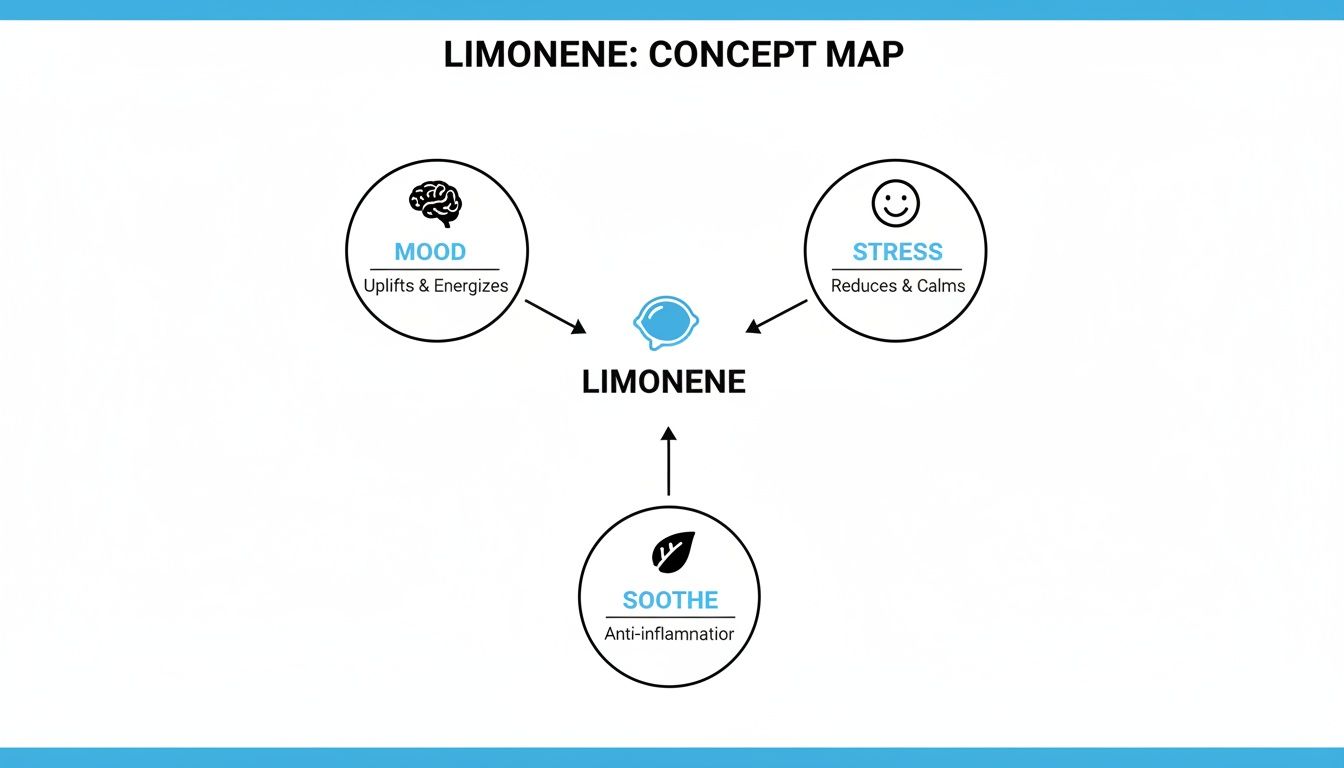
As you can see, limonene’s influence radiates out from its citrusy core to directly impact both mental and physical comfort.
Taming THC with the Entourage Effect
One of the most practical benefits of limonene shines through in the entourage effect—that beautiful synergy between cannabinoids and terpenes. Ever feel a little too edgy or paranoid after consuming THC? Limonene can act as a fantastic counterbalance. It works right alongside THC to smooth out the experience, potentially dialing down the anxiety that some people feel.
This teamwork can transform a session that might have been overwhelming into something much more enjoyable. It’s a perfect illustration of how the whole plant works together, producing a more balanced result than any single compound could on its own.
By seeking out strains high in limonene, you are essentially choosing a cannabis experience that has a built-in buffer against anxiety. This makes it a great choice for both new and experienced users who want to ensure a positive session.
Clinical Evidence for Anxiety Relief
This isn't just a theory anymore; groundbreaking research is now delivering solid proof. A recent double-blind, placebo-controlled study from researchers at Johns Hopkins and the University of Colorado confirmed limonene’s power to temper THC-induced anxiety.
In the trial, combining 30 mg of THC with 15 mg of d-limonene was found to significantly reduce feelings of anxiety, nervousness, and paranoia when compared to taking THC alone. This is one of the very first human trials to clinically validate the entourage effect, showing exactly how terpenes can directly tweak the side effects of cannabinoids.
This is especially helpful for first-time recreational users who might be ordering delivery from Cannavine in Ukiah or Belmont and want a smoother introduction. Exploring the best strains for anxiety is a great next step for anyone interested in harnessing this powerful synergy. When you understand how to use specific terpenes to your advantage, you can take control of your cannabis journey and tailor it for a consistently positive outcome.
Unpacking Limonene’s Anti-Inflammatory and Antioxidant Power
Beyond its ability to lift your spirits, some of limonene’s most profound effects are physical. This zesty terpene is also a heavyweight when it comes to fighting inflammation and oxidation, working behind the scenes to help protect and soothe your body from the grind of daily life.
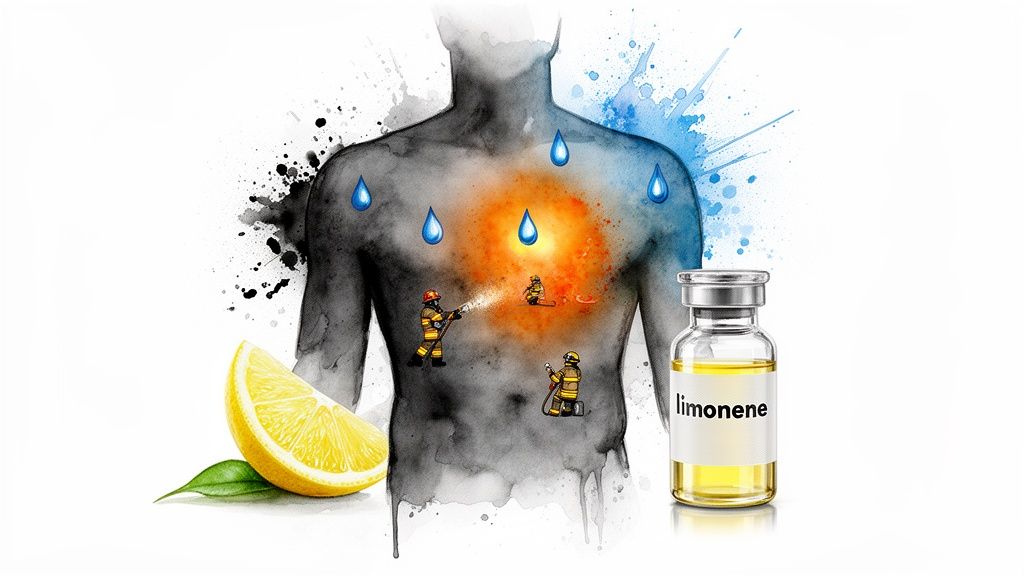
Think of chronic inflammation as a slow, smoldering fire inside your body. It’s a low-grade stress response that can lead to aches, discomfort, and bigger health problems down the road. Limonene acts like a natural firefighter, helping to dampen those internal flames.
Fighting Cellular Damage with Antioxidants
At the same time, limonene is a potent antioxidant. To get what that means, picture your cells constantly under attack from unstable molecules called free radicals. These are just byproducts of everyday living—from your metabolism to environmental pollution—that can cause cellular damage, a process called oxidative stress.
Antioxidants are like your body's personal security team, neutralizing these free radicals before they can cause real harm. Limonene steps right into this role, helping shield your cells and support your body’s natural defenses.
This protective action is a big deal for maintaining overall health. When limonene is combined with other beneficial plant compounds, its antioxidant power gets even stronger. This is especially true when you start looking into the differences between full-spectrum vs broad-spectrum CBD products, where having a full team of compounds creates a more powerful effect.
Limonene’s Soothing Mechanisms
The science backs this up, showing that limonene’s one-two punch against inflammation and oxidation is more than just a theory.
Preclinical research has shown it can reduce pro-inflammatory markers. And in human trials using citrus oils packed with limonene, people with pain reported lower inflammatory markers, supporting its potential for soothing conditions like arthritis or just everyday aches.
One study even showed that limonene could boost the body's own antioxidant enzymes. It doesn't just fight the bad guys; it helps your body build a better defense system.
This makes limonene a fantastic ally for anyone looking at their health from a holistic perspective. It offers a way to tackle both the mental and physical sides of well-being, providing comfort from the inside out. For anyone seeking gentle relief, limonene-rich topicals and tinctures from Cannavine can be a game-changing addition to their wellness toolkit.
The Science on Limonene and Cellular Health
Beyond its uplifting and anti-inflammatory properties, some of the most exciting research into limonene is exploring how it might support our health at the cellular level. It’s important to say this upfront: most of what we know comes from lab and animal studies, not human trials. But even so, this early science gives us a fascinating peek into what limonene may be capable of.
This line of research often zeros in on a natural and totally vital process called apoptosis. Think of apoptosis as your body's built-in quality control system. It’s the programmed, orderly way that old, damaged, or malfunctioning cells are cleared out to make room for fresh, healthy ones. This cellular "housekeeping" is absolutely essential for keeping everything running smoothly.
The emerging science suggests that certain compounds, including limonene, might help support this natural cleanup process. By encouraging apoptosis, the body can more effectively clear out cells that are no longer serving a healthy function.
Early Research and Potential Pathways
Early-stage research is digging into how limonene interacts with cells on a molecular level. One landmark experiment from the 1990s gave us a powerful look into these mechanisms. In the study, female rats were fed diets with high concentrations of D-limonene, and the results were stunning—mammary tumor incidence was slashed by a whopping 72% by the 18th week compared to the control group. Even better, it showed these protective effects happened without any toxicity, even over long periods. You can learn more about these compelling study results and limonene's mechanisms in recent reviews.
This foundational research points to a few key ways limonene might be working its magic.
- Blocking Bad Signals: Limonene seems to interfere with certain cellular communication lines, like the Ras/Raf/ERK1/2 pathway, which can sometimes lead to uncontrolled cell growth when they go haywire.
- Cooling Inflammation: By tamping down specific enzymes, it helps reduce the inflammation and oxidative stress that can damage cells over time.
- Promoting Cleanup: It appears to switch on key proteins and enzymes (like caspases) that are essential for kicking off the self-destruct sequence in cells that are already damaged.
While it’s way too early to make any firm claims about human health, these initial findings are what keep scientists excited and pushing forward. They show just how dynamic terpenes are and give us a hopeful glimpse into the future of cannabis research. The powerful effects of the limonene terpene continue to reveal a complex and promising picture of how this compound supports wellness from all angles.
How to Find and Choose Limonene-Rich Products
Knowing about limonene's effects is one thing, but actually finding products that deliver them is where the fun begins. Your journey to becoming a savvy shopper starts by trusting your senses.
The easiest first step is the good old "smell test." If a cannabis flower hits you with a sharp, zesty aroma of lemon, orange, or grapefruit, chances are you've got limonene. A more powerful citrus scent often means higher concentrations.
While your nose is a great guide, some legendary strains have built their reputations on reliable terpene profiles. Cultivars known for their uplifting and clear-headed effects are often loaded with limonene. Keep an eye out for these classics on the Cannavine menu:
- Durban Poison: A pure sativa famous for its sweet smell and energetic, focused high.
- Jack Herer: A celebrated strain known for its blissful, clear-headed vibe and a spicy, piney aroma with citrus notes underneath.
- Super Lemon Haze: A zesty, citrus-forward sativa-dominant hybrid that delivers a lively and energetic experience.
These strains are fantastic starting points, but they are just the tip of the iceberg.
To help you get started, here’s a quick rundown of some popular high-limonene strains you might find at Cannavine and what you can generally expect from them.
Popular High-Limonene Strains and Their Typical Effects
| Strain Name | Typical Feeling | Pairs Well With |
|---|---|---|
| Super Lemon Haze | Energetic, creative, happy | Creative projects, social gatherings, morning coffee |
| Durban Poison | Focused, uplifted, clear-headed | Tackling a to-do list, hiking, deep conversations |
| Jack Herer | Blissful, creative, alert | Brainstorming sessions, artistic pursuits, daytime errands |
| Do-Si-Dos | Relaxed, happy, sleepy | Winding down at night, watching movies, light stretching |
| Wedding Cake | Relaxed, euphoric, aroused | A quiet evening in, a good meal, listening to music |
Remember, these are just general guidelines. Everyone's body chemistry is different, so your experience might vary. This table is a great starting point for your own exploration!
Reading Lab Results Like a Pro
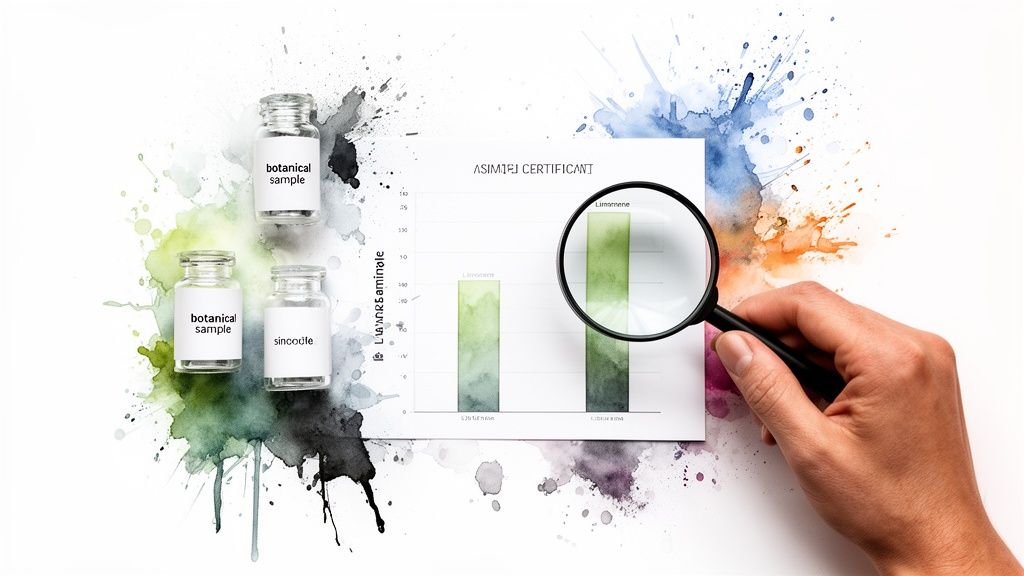
To really know what you're buying, you need to go beyond the strain name and look at the lab report, also known as a Certificate of Analysis (COA). Think of this document as the product's nutritional label. It gives you a detailed breakdown of its chemical makeup, including the exact terpene percentages.
Reputable dispensaries like Cannavine always make COAs available, often right on the packaging through a QR code.
When you pull up the COA, find the terpene section and look for "limonene." The amount is usually listed as a percentage by weight. A product with 0.5% or more limonene is generally considered rich in the terpene and is likely to deliver those classic effects. Anything over 1% is pretty exceptional. Using the COA empowers you to shop based on data, not just reputation, making sure you get the experience you're looking for.
Tips for Shopping at Cannavine
Whether you're browsing online or visiting us in Ukiah, Santa Rosa, Belmont, or San Francisco, finding limonene-forward products is easy. Here’s how you can narrow down your search:
- Filter Our Online Menu: Use the search or filter tools on the Cannavine website to look for specific strains like "Lemon Haze" or products described with words like "citrus" or "uplifting."
- Ask Your Budtender: Our team is your best resource. Just tell them you're looking for something high in limonene to help with mood or focus. They can point you toward the freshest flower, vapes, and concentrates that fit the bill.
- Explore Concentrates: Products like live resin often do a better job of preserving the full spectrum of terpenes than dried flower. If you're curious about this potent product type, learning what live resin is can open up a whole new world of flavorful, terpene-rich options.
By combining your senses with the hard data from COAs and the expertise of our staff, you can confidently choose the perfect limonene-rich product to brighten your day.
Common Questions About Limonene
Even after getting the basics down, a few practical questions always pop up when people start exploring limonene. Let's clear up some of the most common ones so you can feel confident choosing your next product.
Will a High-Limonene Strain Always Feel Energizing?
Not always. While limonene is a huge contributor to that bright, clear-headed feeling, the strain's total profile is what really steers the experience. This is the entourage effect in full swing—think of limonene as the lead guitarist in a band. The final sound depends on every instrument.
For instance, a strain with a lot of limonene and the famously relaxing terpene myrcene might feel more like a happy-but-calm buzz. The final effect is always a team effort between all the cannabinoids and terpenes in the mix.
Limonene is a strong signal for potential mood-lifting effects, but it never works alone. The complete chemical profile of a strain is what truly shapes your experience.
Can I Get the Same Effects from Eating an Orange?
Not quite. While citrus fruits are a fantastic natural source of limonene, the way your body gets it and how much you get are totally different. When you inhale limonene from cannabis, it hits your bloodstream fast through your lungs, giving it a much more direct and noticeable path to influencing your mood.
Plus, the amount of limonene you'd get from a single orange is a drop in the bucket compared to what you'll find in a serving of a high-limonene cannabis product. So, while snacking on citrus is definitely good for you, it won't deliver the specific mood-enhancing effects you're looking for from cannabis.
How Can I Check the Limonene Content in a Vape Cartridge?
The best way is to look at the product’s Certificate of Analysis (COA), which is just a fancy name for its lab report. Any reputable brand or dispensary—like Cannavine—will make these easy to find, usually with a QR code right on the package.
- Find the QR Code: Just scan it with your phone, and it should take you straight to the full lab results.
- Look for the Terpene Section: In the report, you'll see a list of terpenes. Find "limonene" and check its percentage. Anything over 0.5% is generally considered a good amount.
- Just Ask! If you can't find the COA or need a hand reading it, our budtenders are here to help. They can point you to brands known for their detailed terpene testing so you always know exactly what you’re getting.
Ready to see what all the buzz is about? You can explore a hand-picked selection of lab-tested, limonene-forward flower, vapes, and concentrates right here at Cannavine. Check out our online menu to find the perfect product for pickup or delivery today at https://trycannavine.com.